Blackpool,Physiotherapy, Injury Rehab, Prevention, and Sports Massage

Call 07732899354   |   Book now

Hip & Groin Pain

Hip & Groin Pain

Get your hip moving. Get back to doing what matters.

Hip or groin pain can affect almost every part of how you move.

Walking. Climbing stairs. Getting in and out of the car. Putting your shoes on. Running. Squatting in the gym. Kicking a football. Even getting comfortable in bed.

Whether your pain has appeared suddenly or gradually built over time, we’ll help you understand what’s happening and work towards getting you back to the things you want to do.

33 years combined experience

Over 140 5-star reviews

Helping people across Blackpool & the Fylde Coast

How we help

Start with understanding you.

You don’t need to know exactly what’s causing your pain before coming to see us.

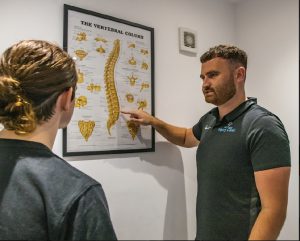
We’ll start by understanding where you’re experiencing symptoms, when they began, what aggravates them and what they’re stopping you from doing.

We’ll then assess the areas relevant to your symptoms. This may include your hip movement and mobility, strength, walking, balance and movements related to your work, exercise or sport.

We’ll also consider your lower back and surrounding areas where appropriate, as pain around the hip and groin doesn’t always originate from one specific structure.

From there, we’ll explain what we think is happening and work with you to decide what comes next.

Understanding your symptoms

Common causes of hip and groin pain

There are a number of different problems that can cause symptoms around the hip, groin and outside of the thigh.

Conditions we commonly assess include:

You might already have been given a diagnosis or have the results of an X-ray or MRI.

Or you might simply know that your hip or groin hurts when you move.

Either way, we’ll assess you as a whole rather than treating a diagnosis or scan result in isolation.

  • Hip osteoarthritis
  • Gluteal tendinopathy and greater trochanteric pain
  • Hip impingement or femoroacetabular impingement (FAI)
  • Adductor-related groin pain
  • Hip flexor-related pain
  • Muscle strains
  • Labral injuries
  • Sports-related hip and groin injuries
  • Running-related hip pain
  • Pain referred from the lower back
  • Persistent or recurring hip and groin pain

01 / Find a starting point

First, let's get things settled.

When your hip or groin is painful, the first stage is often about helping you move more comfortably and reducing how much your symptoms interfere with everyday life.

Depending on your assessment, that might involve temporarily adapting aggravating activities, finding ways to keep you moving, introducing appropriate exercises or using hands-on treatment where we think it could be useful.

The aim isn’t necessarily to stop everything.

It’s to find the right starting point and begin building from there.

02 / Get back to what matters

Then we'll build you back up.

As things settle, we’ll gradually work on the movement, strength and physical capacity you need.

For one person, that could mean walking further, climbing stairs comfortably and getting back to everyday activities.

For someone else, it’s squatting in the gym, running, kicking a football, playing golf or returning to competitive sport.

Your rehabilitation should eventually prepare your hip for the demands of your life, not just the movements we test in the clinic.

People we’ve helped

Don’t just
take our word for it.

Over 140 5-star reviews from people we’ve helped across Blackpool and the Fylde Coast.

★★★★★

Google reviews

How we help

Injury Assessment

Physiotherapy

Injury Rehabilitation

Get out of pain. Get back to life.

This is custom heading element

You don’t need to decide whether your symptoms are coming from the joint, a tendon, muscle, your back or something else before booking. That’s what your assessment is for.

We’ll listen to what’s happening, assess your hip and surrounding areas, explain what we find and build a plan around where you want to get back to.

Settle the pain. Build strength and confidence. Get back to life.